
Nacelle Solutions recognized as top Renewable Energy Consulting service provider 2026
How Nacelle Solutions keeps clean energy projects performing in the real world
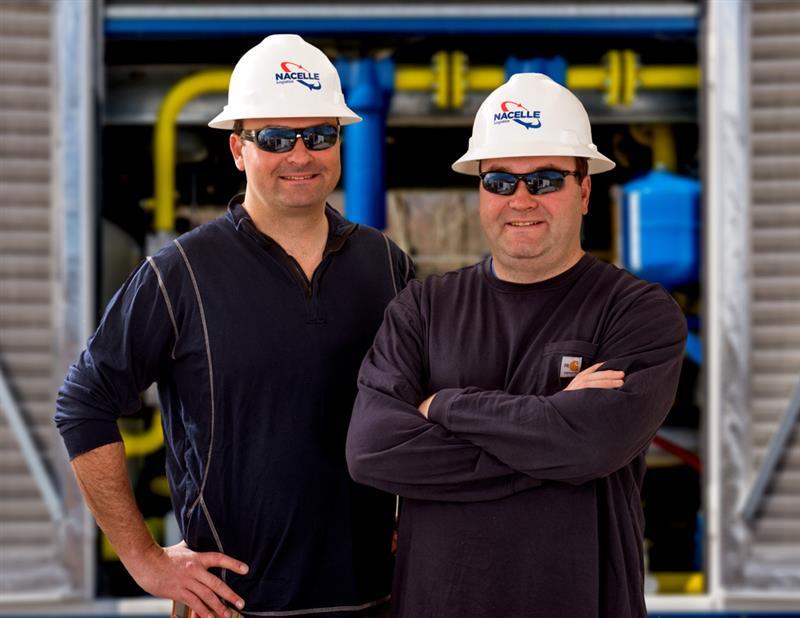
Nacelle Solutions wasn’t founded to chase a trend. When brothers Patrick C. Graney IV and Gov Graney started the company in 2014, they were solving a problem right in front of them: oil and gas drilling sites leaned heavily on diesel fuel, even though cleaner, cheaper natural gas was often already being produced onsite. That focus on efficiency, economics, and environmental responsibility still defines how the company operates today.
In its early years, Nacelle displaced diesel by conditioning and processing natural gas directly at the wellhead, letting operators switch fuels in real time. The payoff was immediate: lower costs, cleaner combustion, fewer fuel trucks on the road, and safer job sites. To make it work, Nacelle built mobile gas processing units on trailers that could move and adapt with constantly changing conditions. The work demanded exceptional skill in small-scale gas conditioning and high-touch field operations—and it produced a team of specialists and a culture built on reliability, accountability, and learning by doing.
A Natural Move into Renewable Natural Gas
As the renewable natural gas (RNG) market gained momentum around 2016–2018, Nacelle recognized a familiar challenge. Biogas from landfills, agriculture, and organic waste needed to be cleaned and upgraded before entering pipelines, but volumes were too small and dispersed to justify large centralized plants. Nacelle’s background in modular systems, mobile processing, and on-site operations made the transition almost intuitive. The company began designing, building, and operating RNG facilities for developers, providing the technical backbone so those developers could focus on financing and commercialization.
Over time, the market shifted. Many developers who planned to run their own facilities found the operational complexity higher than expected—fueling demand for specialized operations and maintenance. As Patrick puts it, “There isn’t one perfect design that works everywhere. Every project has its own realities, and those realities show up once you start operating.” Rather than treating RNG facilities as static assets, Nacelle approaches them as dynamic systems needing continuous optimization. Operating across multiple geographies, climates, and project types lets the team anticipate problems before they escalate. Internally, they call themselves the “easy button”—absorbing operational burden so clients can focus on growth instead of firefighting.
The decarbonization impact is significant. RNG captures methane that would otherwise reach the atmosphere, where its near-term warming impact far exceeds that of CO². In some pathways—especially agriculture—RNG can even achieve negative carbon intensity. Blending it with conventional natural gas moves customers toward net-zero without sacrificing reliability. As Gov says, “We’re taking something that was going into the atmosphere and turning it into a usable resource, while helping companies achieve their sustainability goals.”
When Performance Matters Most
Nacelle’s value shows up most clearly when projects struggle. In one representative case, an agriculture RNG facility had run for three years at just 40 percent of expected performance, mounting financial stress and eroding investor confidence. Nacelle took over operations and ran a full engineering and process review, identifying root causes from workforce issues to control-system deficiencies. Within six months, the facility was operating at 90 percent of capacity—stabilizing the project economically and restoring stakeholder confidence.
What sets Nacelle apart isn’t a single technology but the integration of experience, execution, and realism. The company avoids both overengineering expensive solutions and cutting corners that compromise long-term performance, focusing instead on total cost of ownership and practical outcomes. As renewable energy markets mature and expectations rise, that role—bridging the gap between ambition and reality—ensures RNG projects don’t just exist on paper, but perform consistently in the real world.